The science.
In plain language.
Compounds, protocols, skin science, and the 53-year research lineage behind the HelioMend Khavinson Collection — explained without marketing language.
Endogenic pharmacology · Khavinson research lineage · US observational studies registered
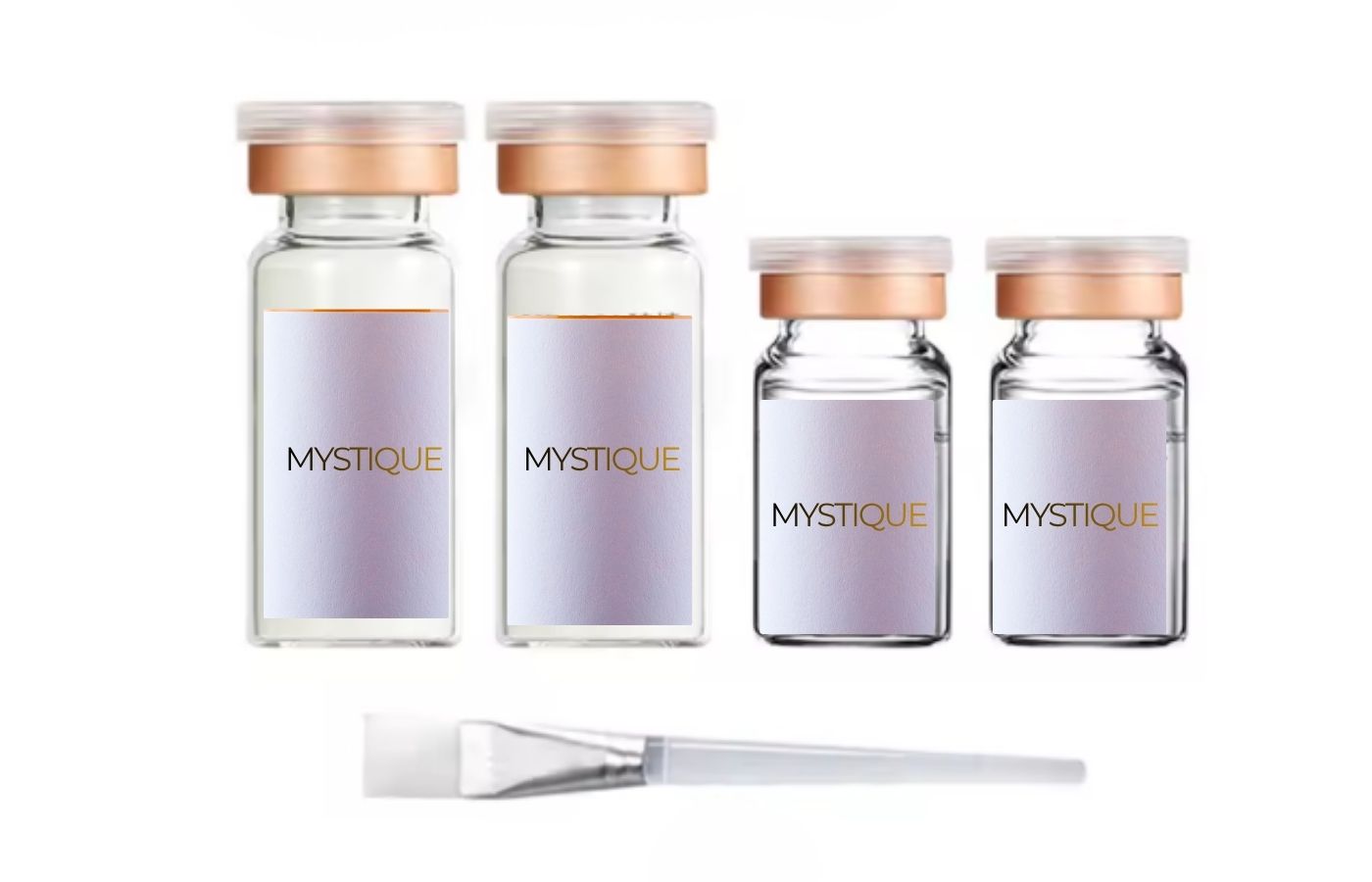
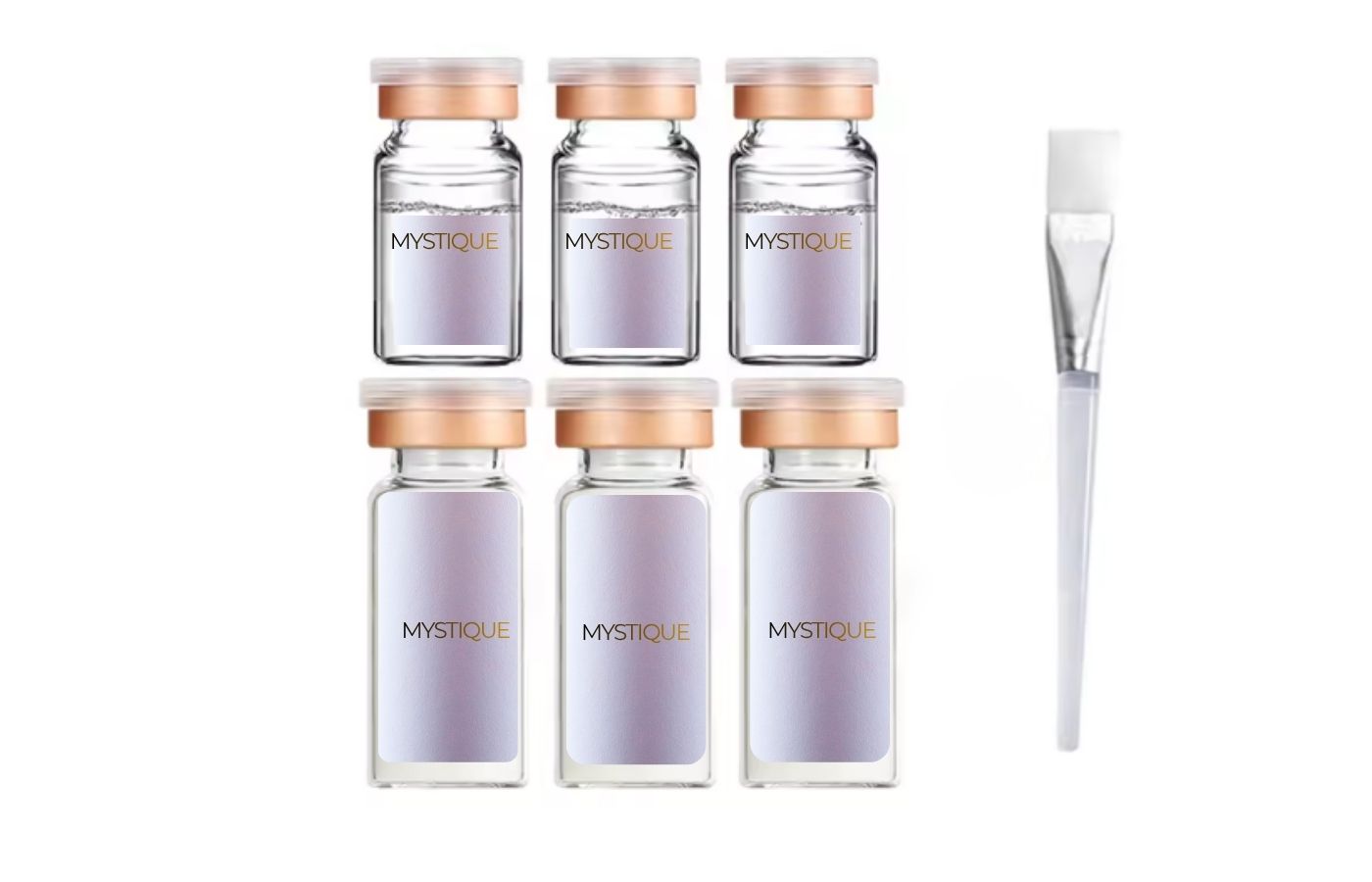
Peptide Supplements: What the Research Actually Shows in 2026.
Peptide searches are up 6x year over year. Here's what peer-reviewed research actually documents — and which compound classes have the strongest evidence.
Are Peptides FDA Approved? The Regulatory Framework Explained.
The honest answer is that FDA approval is not a single status. Here's what the regulatory framework actually means for peptide skincare.

Collagen Peptides and Bioregulator Compounds: What's the Difference?
Both use the word peptide. They operate through completely different mechanisms. Here's what the research shows.

NAD+ and Longevity Supplements: Where Bioregulators Fit in the Stack.
NAD+ boosters target energy metabolism. Bioregulator compounds target gene expression. Here's how the two approaches fit together.
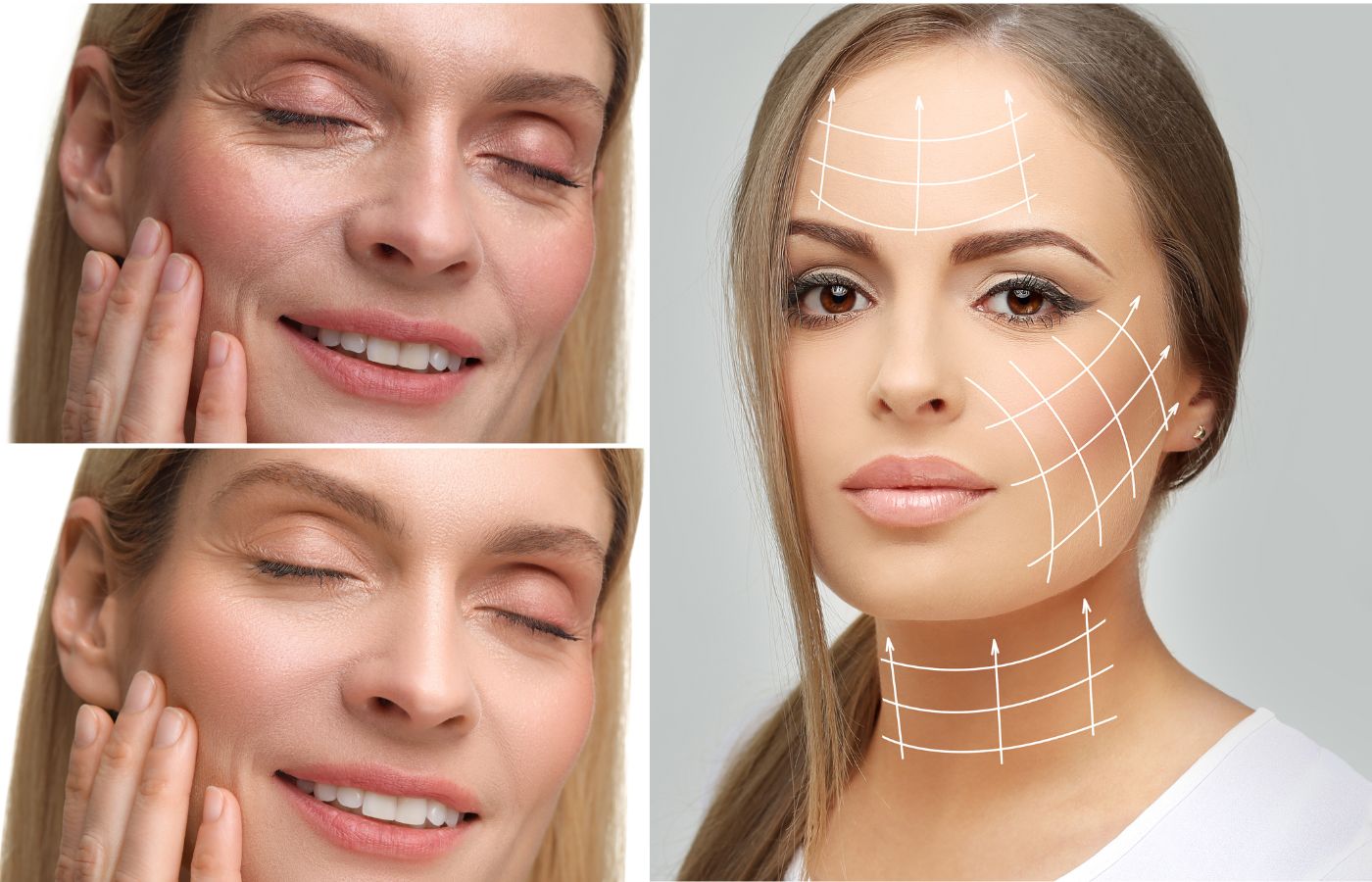
Peptide Supplement Side Effects: What the Research Documents.
Any biologically active compound can produce unintended effects. Here's the research-grounded answer for Khavinson-lineage bioregulators.
Do Supplements Actually Work? How to Evaluate What You're Buying.
More than 100,000 supplement products are sold in the US. Very few have been rigorously tested. Here's the five-part evaluation framework.

What Supplements Are Actually Worth It in 2026?
The compound classes with genuine evidence. The ones without. And the single most reliable signal that a supplement is worth evaluating.

What is a Bioregulator? The Short-Chain Peptide Explained.
Short-chain peptides cross the cell membrane and bind to DNA promoter sequences. Here's what that means and why it matters.
Why the Restoration Cycle? The Case Against Daily Skincare.
Daily skincare maintains the surface. The Restoration Cycle changes it. The case for quarterly protocol over daily routine.

Mix to Activate: Why Potency Is Perishable.
Freeze-dried compounds preserve bioactive integrity at manufacture. Activation at point of use is not a ritual — it is the mechanism.
PDRN and the Salmon DNA Conversation.
PDRN is derived from salmon DNA. Here's what the A2A receptor mechanism actually does — and why the source material matters less than the mechanism.

Your Makeup on a Different Canvas: What That Actually Means.
Foundation, serum, concealer — all perform on whatever surface your skin provides. When the surface changes, everything on top changes with it.
The research archive
Every compound. Every mechanism.
Every published citation.
The full research archive for every compound in the HelioMend Khavinson Collection is publicly accessible at the Endogenic Pharmacology Institute.