PDRN is one of the most clinically validated compounds in aesthetic medicine. It is also one of the most misunderstood — usually because the conversation starts with the source material and never gets to the mechanism.
What PDRN actually is
PDRN stands for polydeoxyribonucleotide — a polymer of deoxyribonucleotides, the building blocks of DNA. The compound is derived from salmon sperm DNA through a highly controlled extraction and purification process that removes all cellular material, proteins, and immunogenic components. What remains is a defined short-chain DNA fragment with specific chain lengths optimized for biological activity.
The salmon source is a practical matter — salmon sperm DNA has high homology with human DNA and is available in industrial quantities as a byproduct of the commercial fishing industry. The source is not the mechanism. The mechanism is the receptor it activates.
The A2A receptor mechanism
PDRN activates A2A purinergic receptors — a class of receptors expressed on immune cells, fibroblasts, keratinocytes, and endothelial cells throughout human tissue. A2A receptor activation triggers a cascade of effects: anti-inflammatory signaling, promotion of tissue repair, stimulation of VEGF (vascular endothelial growth factor) production, and modulation of collagen synthesis.
This is the mechanism that makes PDRN clinically useful. It does not add structural material to the tissue. It activates the signaling pathway that coordinates the tissue's own repair response — the same pathway that is impaired in chronically damaged or aging skin where barrier repair cycles have broken down.
What the clinical research shows
PDRN has an extensive clinical research record in wound healing, diabetic ulcer treatment, and aesthetic medicine — largely driven by Korean and Italian research groups. Controlled trials document improvements in skin hydration, elasticity, texture, and collagen density following intradermal injection. The compound is approved as a pharmaceutical in South Korea and several European countries for clinical skin applications.
Topical application requires appropriate formulation and concentration to achieve receptor-level activity through the intact barrier. The Recovery Protocol is formulated for topical delivery at concentrations consistent with published topical efficacy data.
What is PDRN?+
PDRN (polydeoxyribonucleotide) is derived from salmon sperm DNA through a purified extraction process. It consists of short DNA fragments that activate A2A purinergic receptors in human tissue, triggering tissue repair and anti-inflammatory signaling.
Why is PDRN made from salmon DNA?+
Salmon sperm DNA has high homology with human DNA and is available in large quantities as a fishing industry byproduct. The purification process removes all cellular material — the final compound has no salmon-specific biological identity.
What does PDRN do for skin?+
PDRN activates A2A purinergic receptors, which modulate the tissue repair signaling cascade. Clinical research documents improved skin hydration, elasticity, and texture. Topical application at appropriate concentrations activates similar receptor pathways through the skin barrier.
Is PDRN the same as salmon DNA skincare?+
PDRN is derived from salmon DNA but is not salmon DNA. The purification produces a defined short-chain polynucleotide with no remaining salmon cellular material. The relevant biological fact is A2A purinergic receptor activation — not the source material.
PDRN in the protocol
The Recovery Protocol — Regenerative Tier
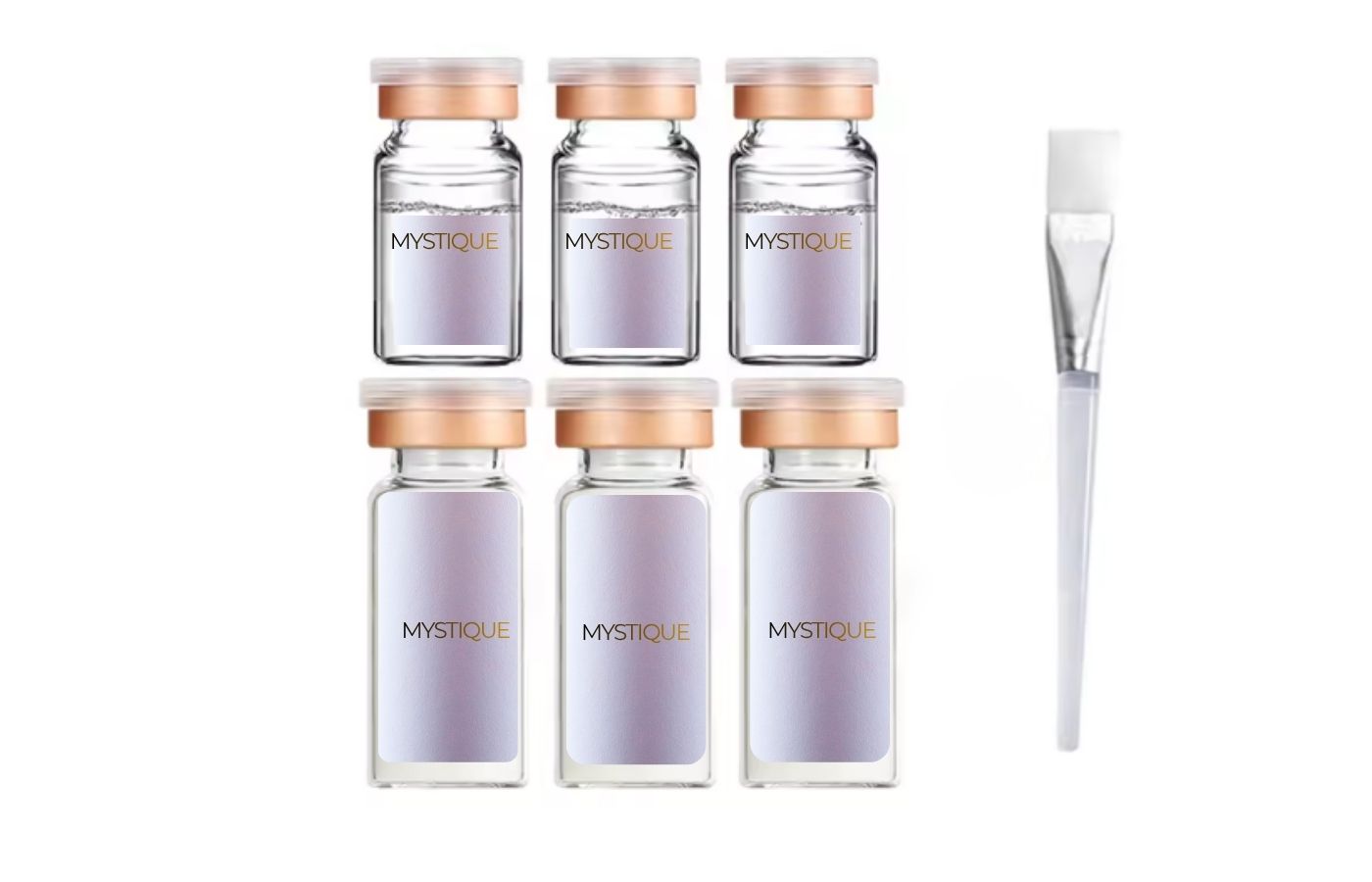
PDRN + Fibronectin. 8+8 ampoule set. Addresses barrier repair at the A2A receptor signaling level.
Begin the Protocol — $195