The search query 'are peptides FDA approved' reflects a genuine and reasonable consumer concern. The honest answer is that FDA approval is not a single status — it is a framework with multiple pathways, and where a peptide product sits in that framework depends on how it is formulated, labeled, and sold.
The FDA regulates products, not ingredients. A peptide compound used in a prescription drug requires a different regulatory pathway than the same compound used in a cosmetic or dietary supplement. The compound itself is not approved or unapproved in isolation — it is the product and its claims that determine which regulatory framework applies.
Cosmetic products — including skincare — are regulated under the Federal Food, Drug, and Cosmetic Act. They do not require pre-market FDA approval. They must be safe for their intended use and must not make drug claims. A cosmetic can describe how skin looks or feels after use. It cannot claim to alter the structure or function of the body.
Dietary supplements are regulated under DSHEA — the Dietary Supplement Health and Education Act of 1994. Like cosmetics, they do not require pre-market approval. They can make structure/function claims but cannot claim to treat, cure, or prevent disease. They must be manufactured under cGMP standards and accurately labeled.
Prescription peptides — including compounded bioregulator compounds used in clinical settings — require physician oversight and are subject to a different regulatory framework entirely.
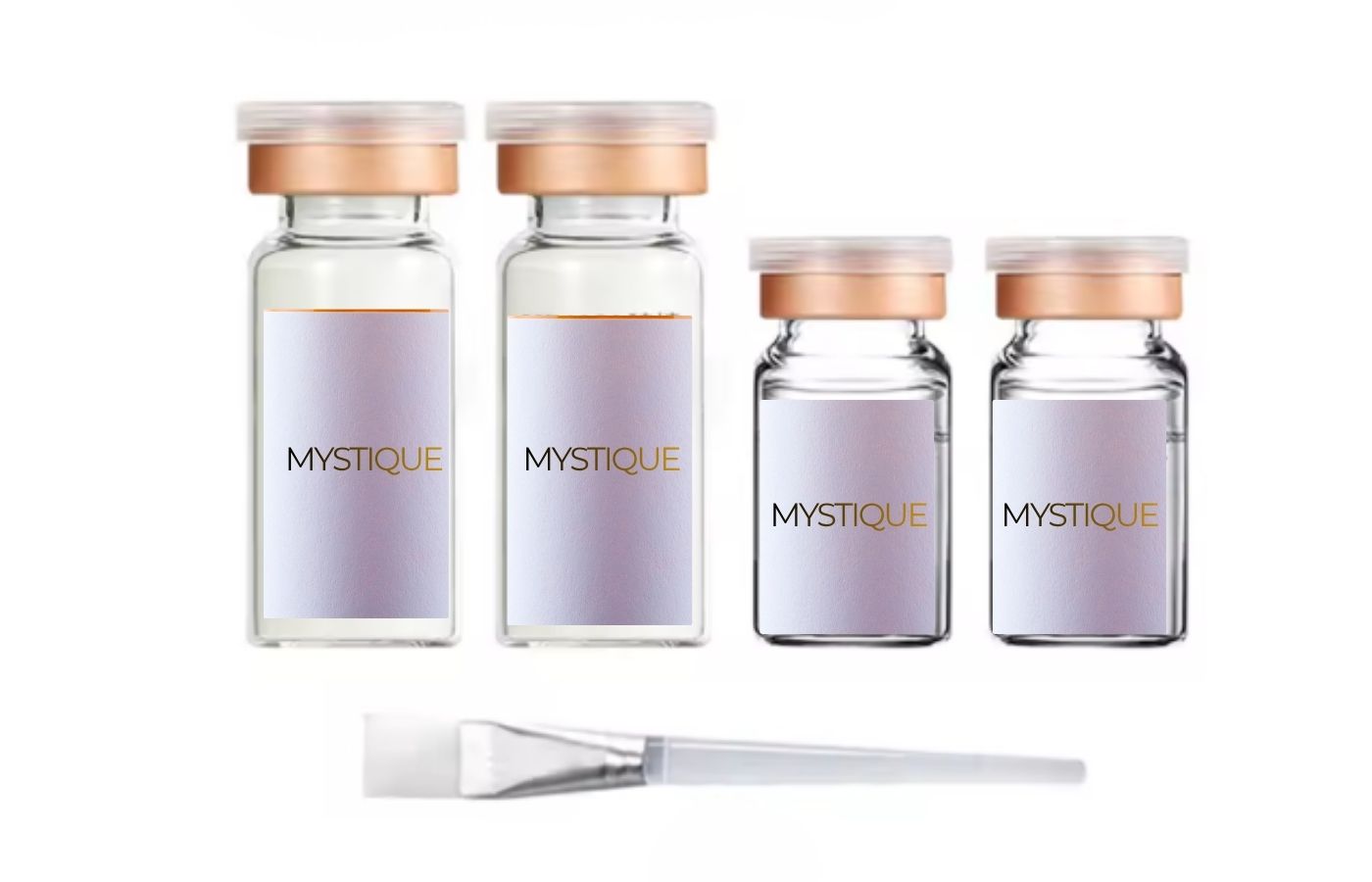
HelioMystique operates in the cosmetic framework. The products make appearance-based claims. The underlying science — including the Khavinson research documenting the mechanisms of each compound — is housed at endogenicpharmacology.com as an independent scientific reference, not as product labeling.
This architecture is deliberate and legally meaningful. HelioMend, a division of Opticeuticals Inc., has also registered observational studies with ClinicalTrials.gov to generate US clinical data on the compounds in the collection. We are not making drug claims. We are building the evidence base. That is a different position — and a more defensible one — than either claiming FDA approval or ignoring the regulatory framework entirely.