What you're seeing
Skin that looks flat regardless of what is applied to it.
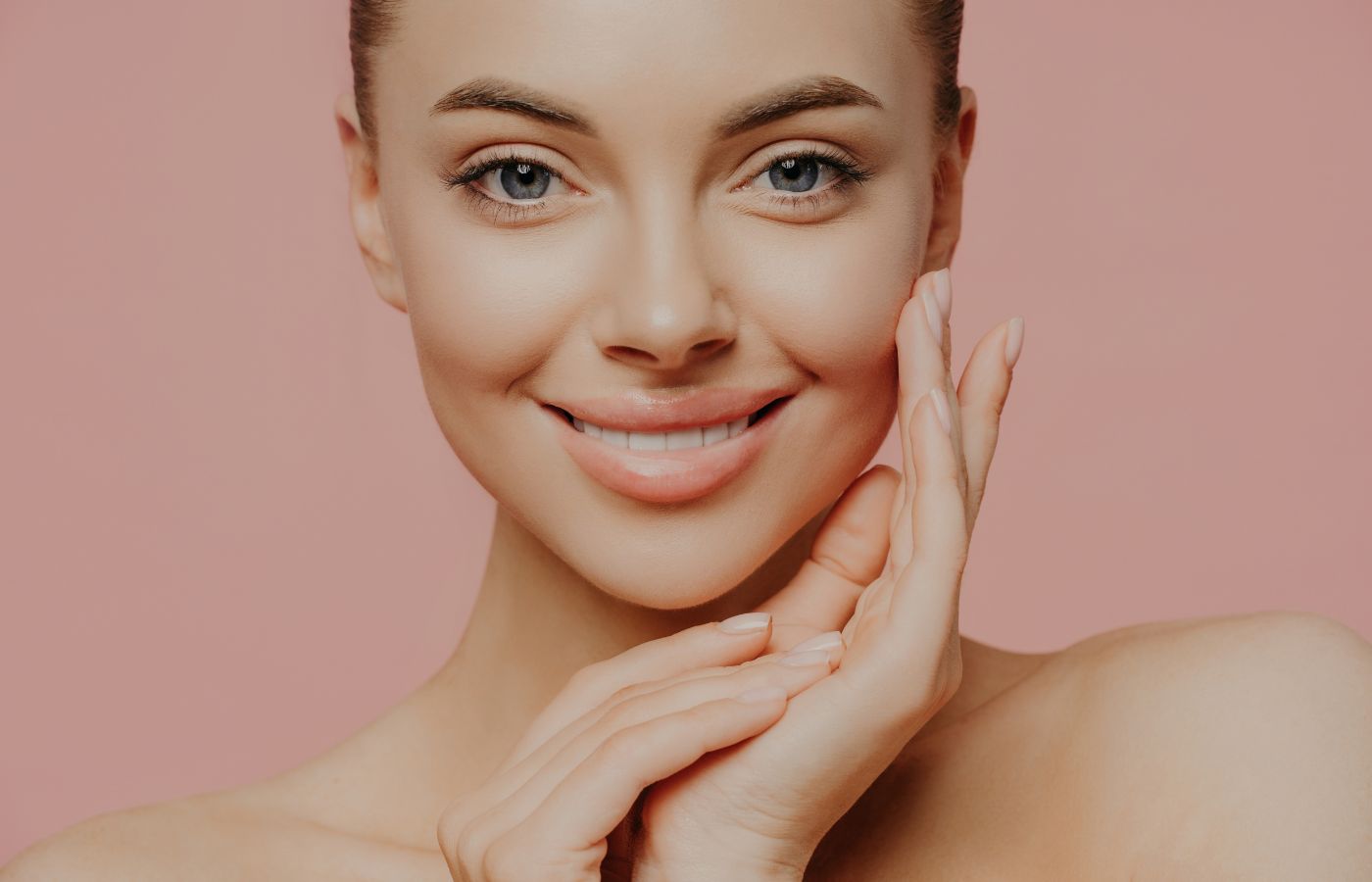
The skin looks grey or flat in photographs. Foundation reads differently than it used to. Serums and moisturizers are absorbed immediately but the skin still looks tired by midday. Highlighter helps but is noticeable as a product. Radiance — the quality that makes skin look alive rather than covered — is absent.
This is a cell renewal problem, not a hydration problem. Adding more product to a surface covered in slowly shedding dead cells produces diminishing returns because the surface itself is not renewing.
The biology
Turnover slows. Light scatters unevenly. The surface reads flat.
In young skin, keratinocytes complete their journey from basal layer to surface shedding in approximately 28 days. By the 40s, this cycle extends to 45–60 days. Dead, keratinized cells accumulate on the surface faster than they shed. Light hitting this irregular, multilayered surface scatters in multiple directions — producing the flat, diffuse quality of aging skin rather than the even reflection of young skin.
Simultaneously, hyaluronic acid production declines, reducing the dermal water content that gives skin its light-scattering translucency. Microvascular blood supply to the dermis also decreases, reducing the warm, oxygenated quality that reads as radiance in-person and in photographs.
What the skin needs
A signal that restarts the renewal cycle.
Oligopeptide complexes (EGF class compounds) support keratinocyte proliferation — the process by which new skin cells are produced and the renewal cycle is sustained. Rather than exfoliating the accumulated surface cells, they activate the machinery that drives consistent turnover from below.
The distinction matters: exfoliation removes what is present but does not restore the rate at which new cells are produced. Signaling compounds work on the cycle itself — producing change that sustains beyond the period of application.
Common questions
Why does my skin look dull even with moisturizer?+
Moisturizer addresses surface dehydration but not the underlying cause of dullness. When cell turnover slows, dead cells accumulate faster than they shed. Light scatters unevenly off this irregular surface, producing flat appearance regardless of hydration.
What causes loss of skin radiance with age?+
Cell turnover slows from approximately 28 days in young skin to 45–60 days by the 40s. Combined with declining hyaluronic acid and reduced microvascular blood supply, this produces the flat, grey quality associated with aging skin.
What ingredients restore skin radiance?+
Oligopeptide complexes (EGF class) support keratinocyte proliferation and surface renewal at the cellular signaling level — activating the turnover machinery rather than temporarily brightening the existing surface.
How do I get glowing skin naturally?+
Radiant skin reflects light evenly from a smooth, properly hydrated surface. This requires consistent cell turnover, adequate dermal hydration, and intact microcirculation. Compounds that support all three produce lasting change.
The Luminosity Protocol
Oligopeptide Complex. 6+6 dual-chamber droppers. Activates keratinocyte renewal from below the surface — addressing the turnover cycle that dullness reflects.